
Microsoft Azure
☁️ Microsoft Azure Explained: The Ultimate Guide to Cloud Power for Developers 🚀
Microsoft Azure is one of the world’s leading cloud platforms, offering 200+ services that help businesses build, deploy, and manage applications at scale. Whether you’re a developer, startup founder, or enterprise architect, Azure provides powerful tools for AI, storage, networking, DevOps, and security.
In this blog, we’ll break down Azure’s core tools, their features, real-world examples, and best use cases — in a simple, practical way. Let’s dive in! 🌊
🔵 What is Microsoft Azure?




Microsoft Azure is a cloud computing platform that provides services such as:
✅ Virtual machines ✅ Databases ✅ AI & Machine Learning ✅ Networking ✅ DevOps tools ✅ Storage & Security
Think of Azure as a giant cloud toolbox that lets you build anything from a simple website to a global AI-powered application.
👉 Azure follows three main cloud models:
- IaaS (Infrastructure as a Service) 🏗️
- PaaS (Platform as a Service) ⚙️
- SaaS (Software as a Service) 💻
🖥️ Azure Compute Services (Running Your Applications)
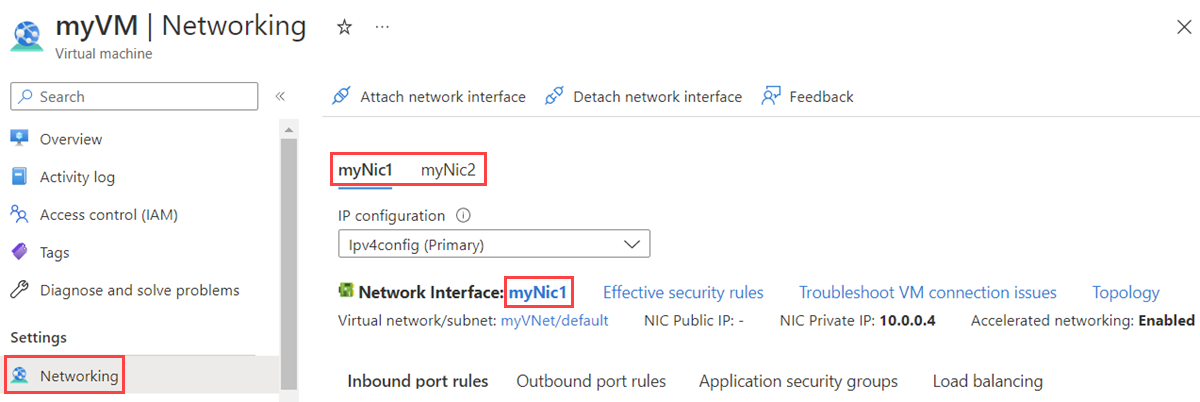


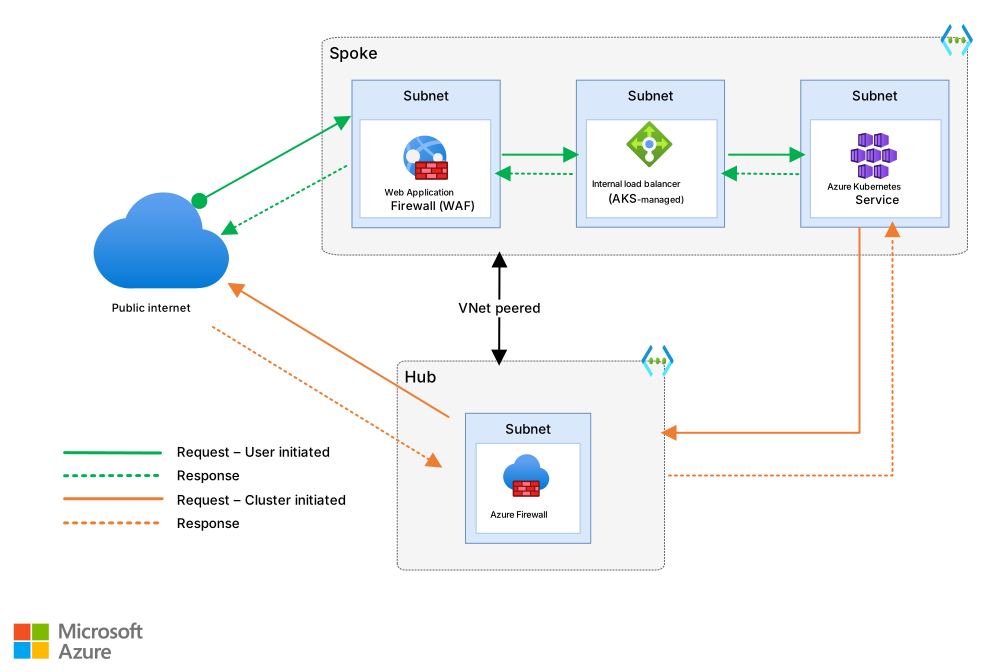
Compute services power your applications and workloads.
🔹 1. Azure Virtual Machines (VMs)
Features:
- Scalable Linux/Windows servers
- Full OS control
- Custom configurations
Example: Hosting a Ruby on Rails app on an Linux VM.
Best Use Cases:
- Legacy applications
- Custom server environments
- Migration from on-premise servers
🔹 2. Azure App Service
Features:
- Managed web hosting
- Auto-scaling
- CI/CD integration
- Supports Node.js, Python, .NET, Ruby
Example: Deploying a React + Rails web app without managing servers.
Best Use Cases:
- Web apps
- APIs
- Mobile backends
🔹 3. Azure Kubernetes Service (AKS)
Features:
- Managed Kubernetes clusters
- Container orchestration
- Auto-scaling and monitoring
Example: Running microservices architecture using Docker containers.
Best Use Cases:
- Microservices
- Containerized applications
- High-traffic systems
🔹 4. Azure Functions (Serverless) ⚡
Features:
- Event-driven execution
- Pay-per-use pricing
- Auto-scaling
Example: Triggering image processing when a file is uploaded.
Best Use Cases:
- Automation
- Background tasks
- Event processing
💾 Azure Storage Services (Managing Data)
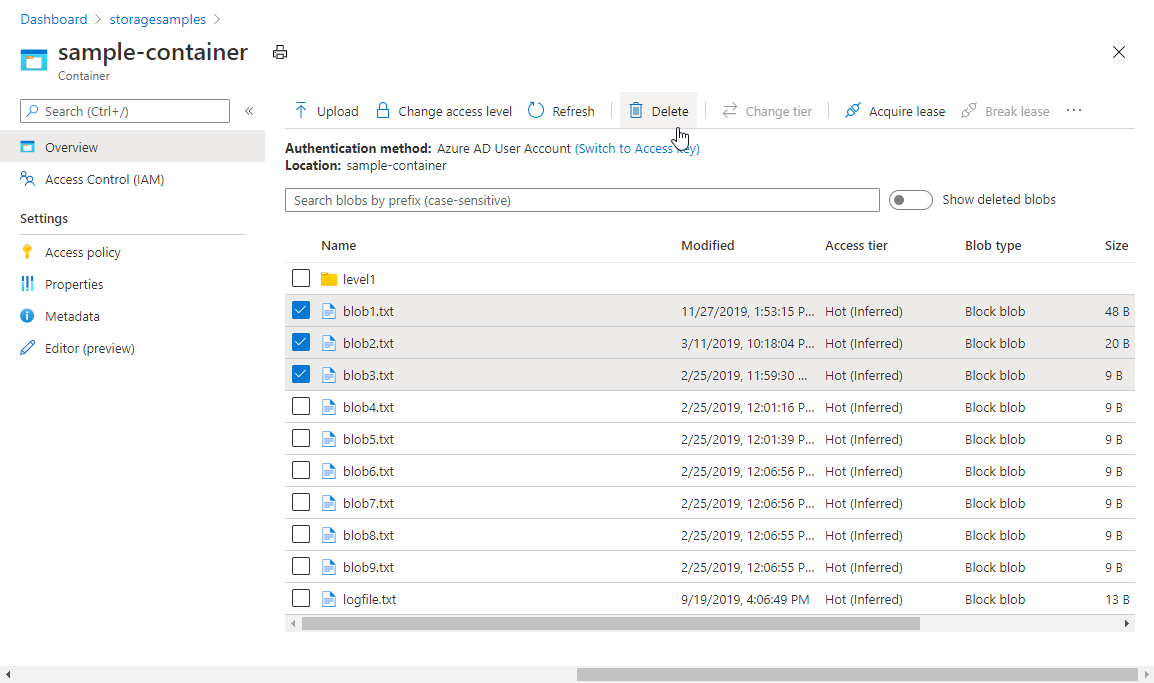
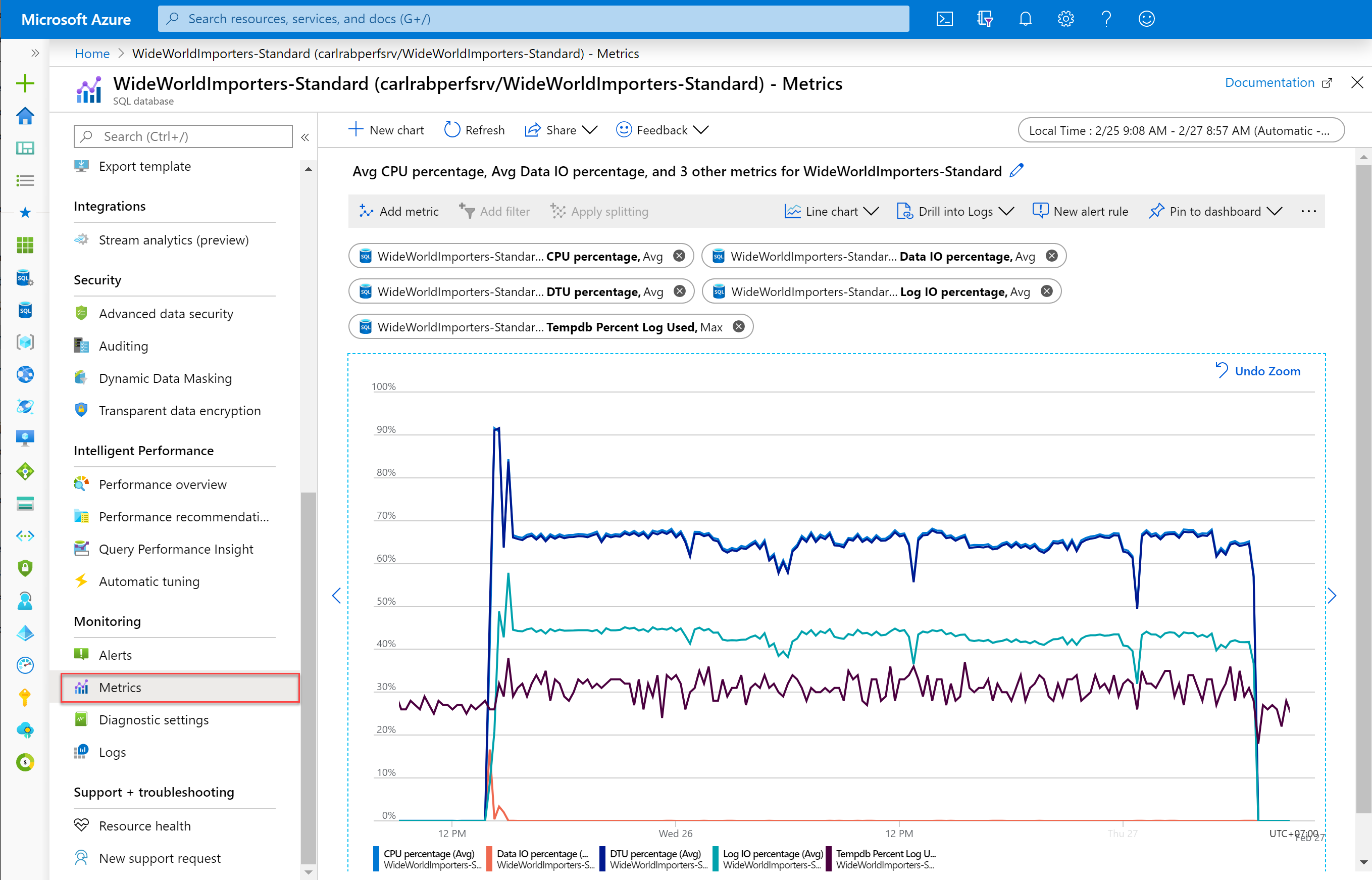
🔹 1. Azure Blob Storage
Features:
- Object storage for large files
- Secure and scalable
- CDN integration
Example: Storing images/videos for a social media app.
Best Use Cases:
- Media storage
- Backups
- Big data analytics
🔹 2. Azure SQL Database
Features:
- Managed relational database
- Automatic backups
- High availability
Example: Running a production e-commerce database.
Best Use Cases:
- Transactional applications
- Enterprise systems
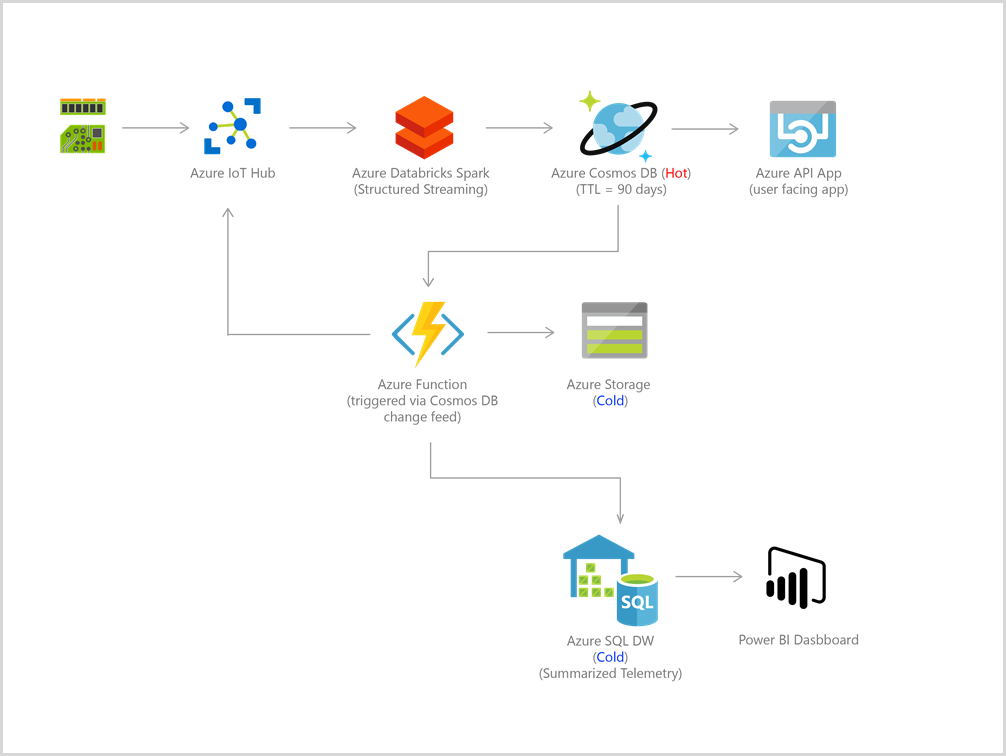
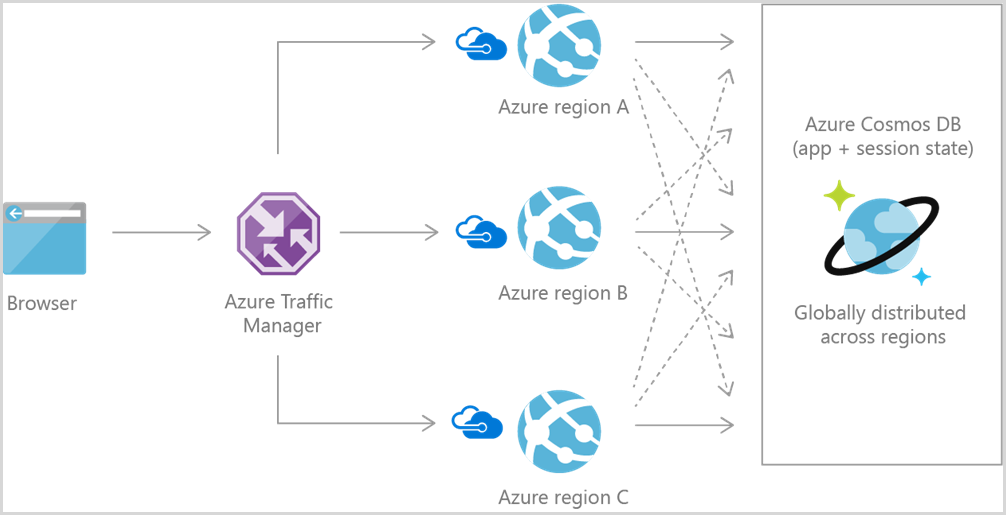
🔹 3. Azure Cosmos DB 🌍
Features:
- Globally distributed NoSQL database
- Low-latency access
- Multi-model support
Example: Real-time chat or gaming apps.
Best Use Cases:
- Global applications
- Real-time systems
🌐 Azure Networking Services

🔹 Azure Virtual Network (VNet)
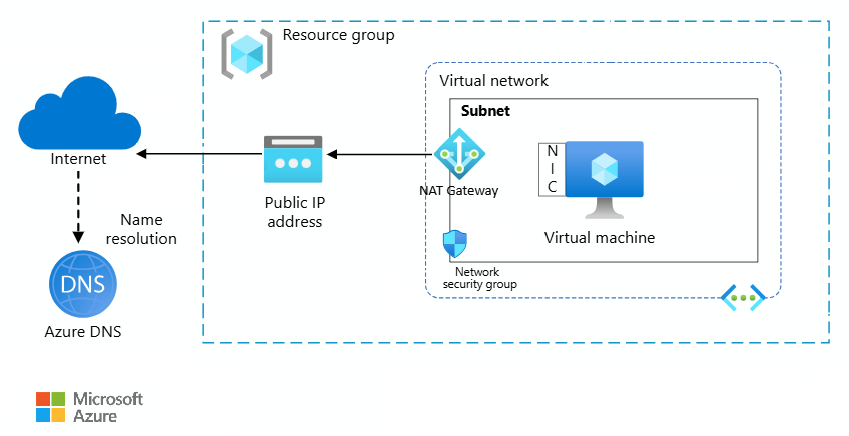
Creates private cloud networks for secure communication.
Use Case: Enterprise infrastructure isolation.
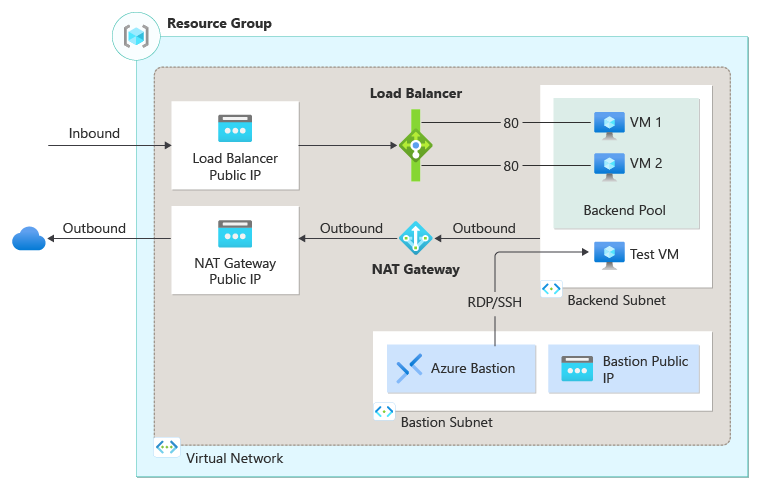
🔹 Azure Load Balancer
Distributes traffic across servers.
Use Case: High-availability web apps.
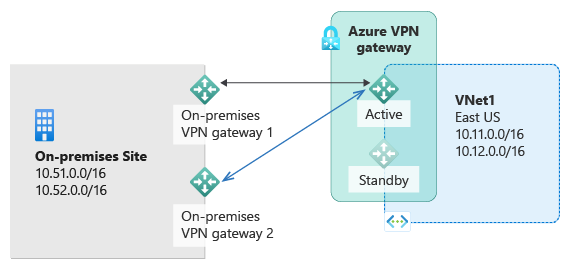
🔹 VPN Gateway
Secure connection between on-premise and Azure.
Use Case: Hybrid cloud architecture.
🤖 Azure AI & Machine Learning
🔹 Azure Machine Learning
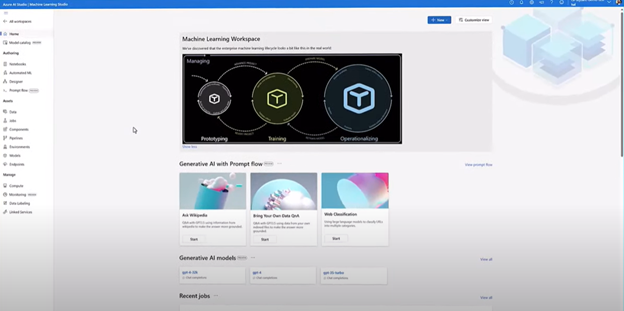
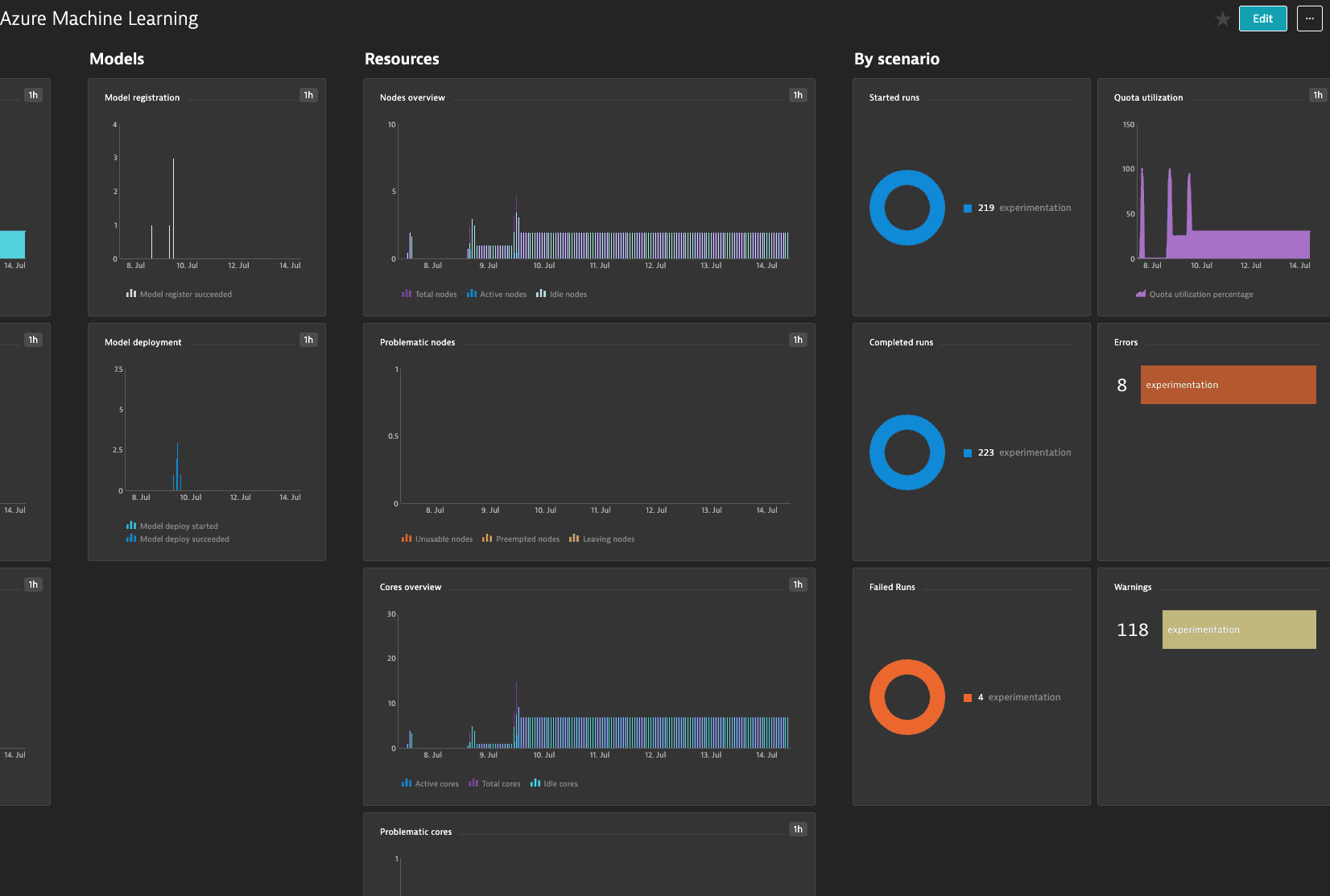
Builds and deploys ML models at scale.
Example: Predicting customer behavior.
🔹 Azure Cognitive Services
Pre-built AI APIs for vision, speech, and NLP.
Example: Face recognition app.
🔹 Azure OpenAI Service ✨
Access to advanced AI models.
Example: Chatbots and AI assistants.
🔐 Azure Security & Identity

🔹 Microsoft Entra ID (Azure AD)
Identity and access management.
Use Case: Secure authentication systems.
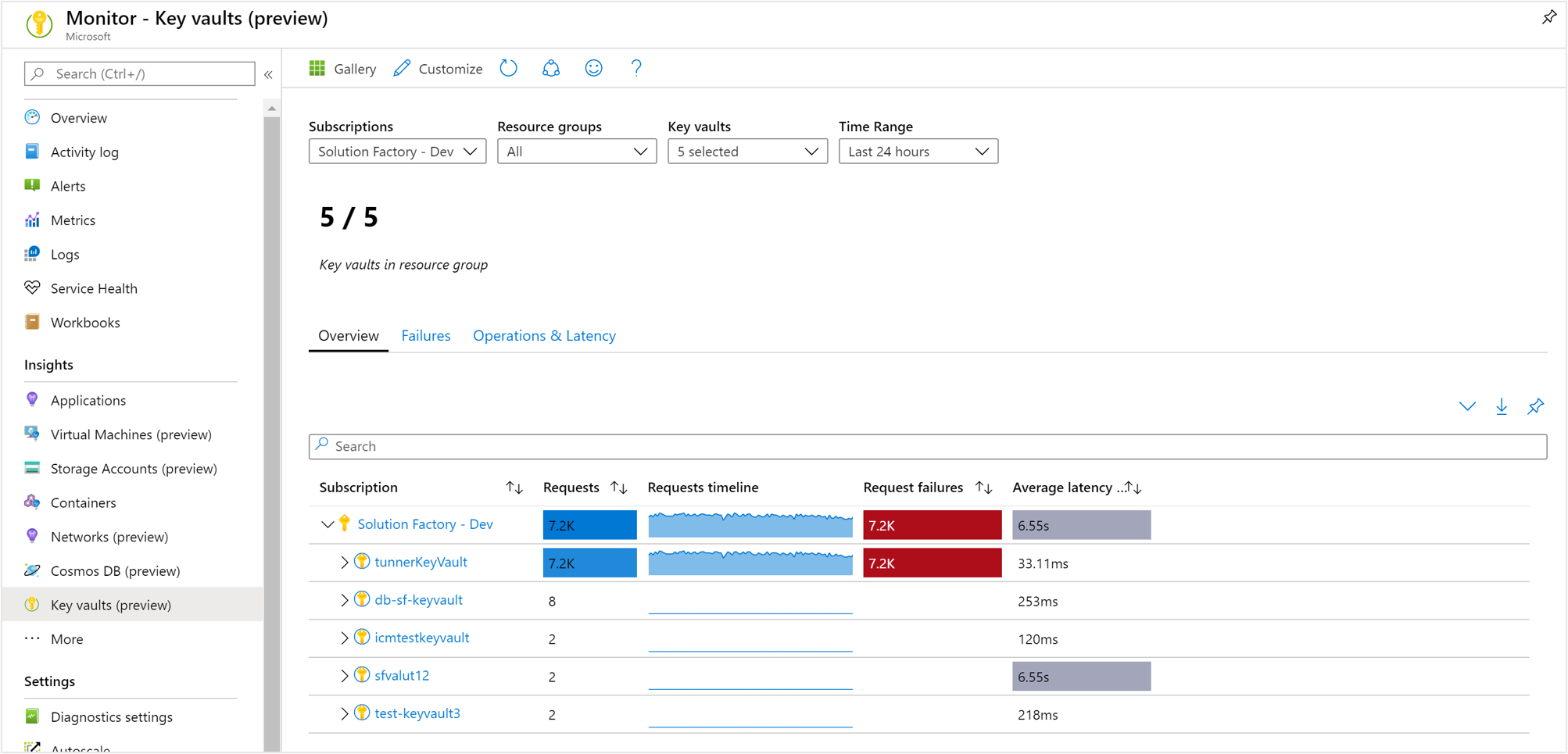
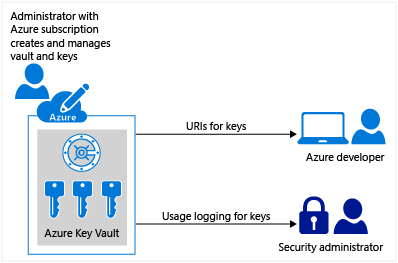
🔹 Azure Key Vault
Manages secrets and encryption keys.
Use Case: Protecting API keys.
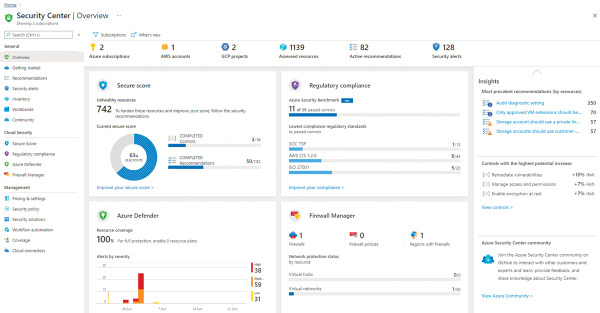
🔹 Azure Defender
Threat protection and monitoring.
Use Case: Enterprise security.
⚙️ Azure DevOps & Monitoring


🔹 Azure DevOps
CI/CD pipelines, repos, and agile tools.
Example: Automated Rails deployment pipeline.
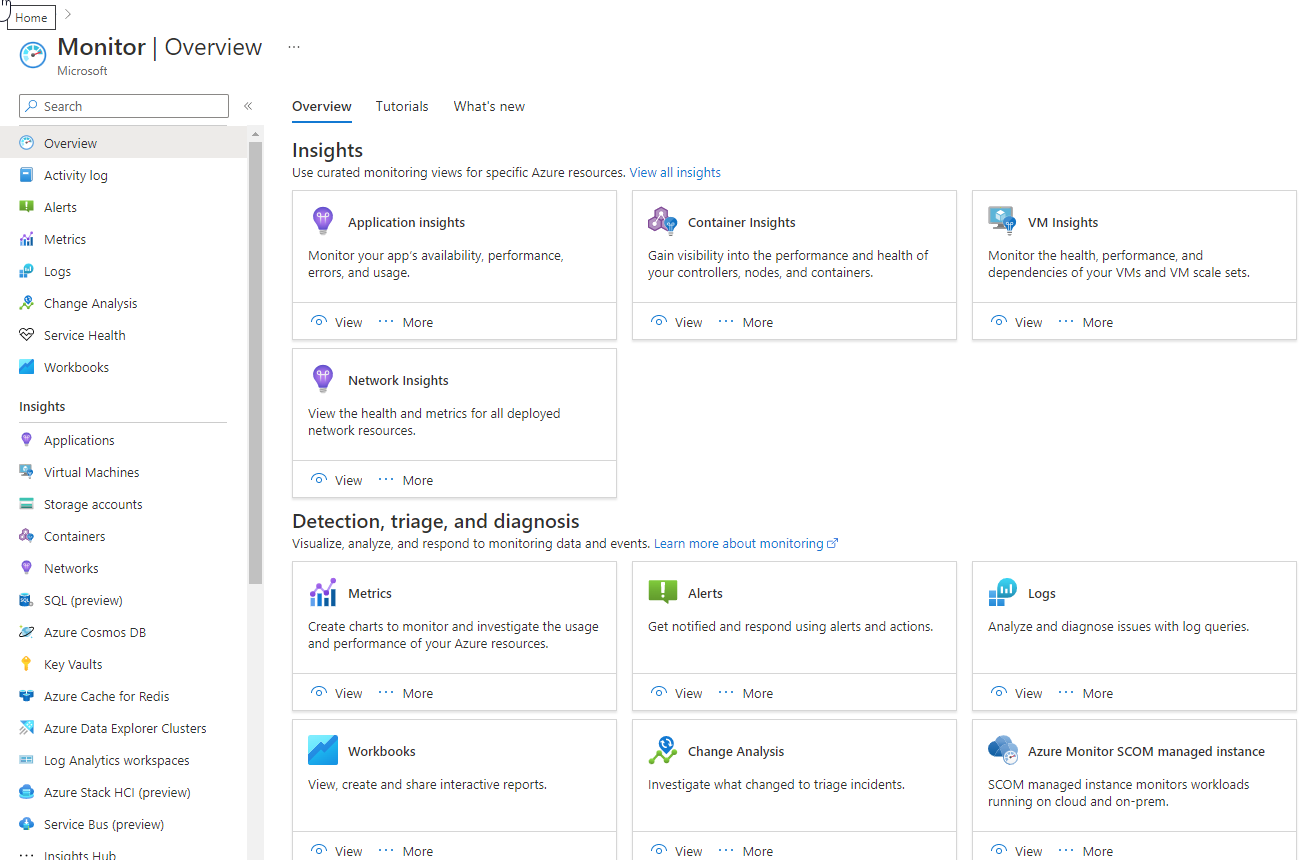
🔹 Azure Monitor & Application Insights
Real-time performance monitoring.
Use Case: Detecting app bottlenecks.
🌟 Best Real-World Azure Use Cases
✅ Hosting scalable web applications ✅ AI-powered analytics platforms ✅ IoT and real-time data processing ✅ Enterprise hybrid cloud infrastructure ✅ DevOps automation pipelines ✅ Big data and ML workloads
🎯 Final Thoughts
Microsoft Azure is not just a cloud provider — it’s a complete ecosystem that supports everything from startups to global enterprises.
👉 If you’re a developer:
- Start with Azure App Service for quick deployments
- Explore AKS for microservices
- Use Azure DevOps for automation
- Integrate Azure AI for smarter applications
Mastering Azure gives you a competitive edge in modern cloud development. ☁️🚀
If you want, I can create:
✅ An infographic image summarizing Azure services ✅ A LinkedIn caption with hashtags ✅ A beginner roadmap to learn Azure step-by-step
© Lakhveer Singh Rajput - Blogs. All Rights Reserved.