
The Philosophies of the World
🌍 The Philosophies of the World: A Deep Dive into Timeless Wisdom for Modern Life ✨
Philosophy is more than abstract thinking — it’s a practical framework for understanding reality, human behavior, and how to live well. Across civilizations, philosophers tried to answer the biggest questions:
👉 What is truth? 👉 What is a good life? 👉 How should we deal with suffering and uncertainty?
In this in-depth guide, we’ll explore major world philosophies — their history, deep concepts, core features, quotes, real-life examples, and daily implementation. Let’s journey through centuries of wisdom. 🚀
🏛️ Western Philosophy — The Foundation of Rational Thought


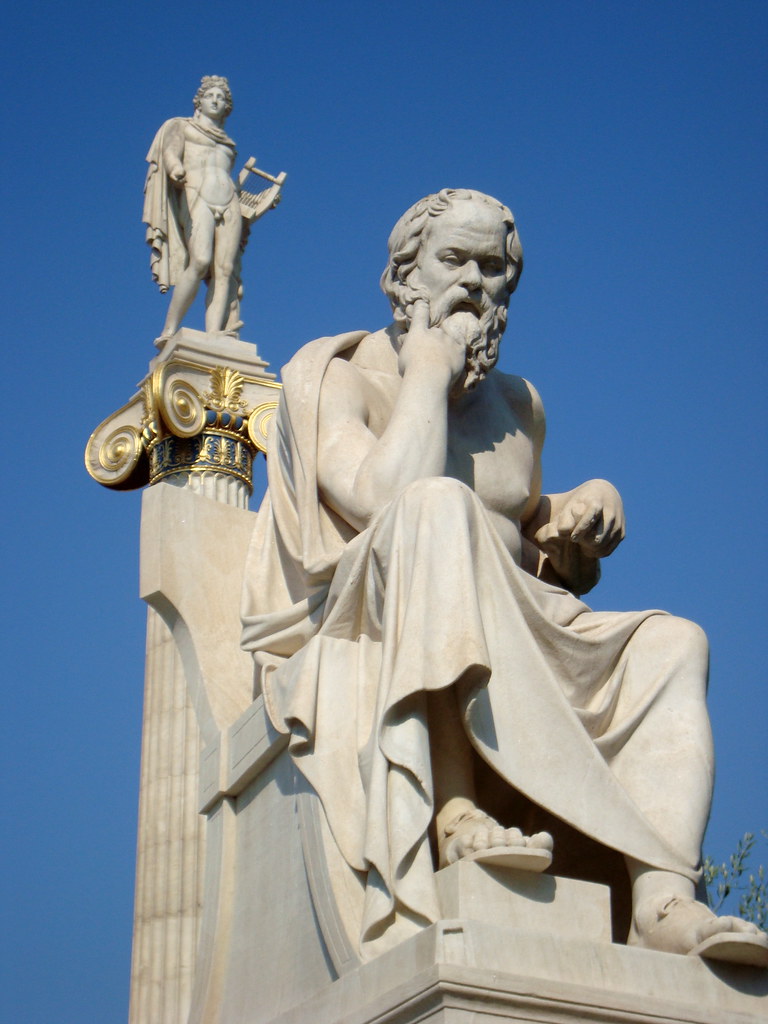
Western philosophy began in ancient Greece as an attempt to replace mythological explanations with reason and inquiry. Thinkers like Socrates, Plato, and Aristotle laid the groundwork for science, ethics, and politics.
📜 Historical Development
Socrates introduced the Socratic method — questioning assumptions to uncover truth. Plato expanded this into metaphysics and ideal forms, while Aristotle systematized logic, biology, and ethics. Their work shaped Western education for over 2,000 years.
🧠 Deep Concepts
- Epistemology: How we know what we know
- Metaphysics: Nature of reality and existence
- Ethics: Virtue as the path to a flourishing life (eudaimonia)
Aristotle believed happiness comes from developing virtues through habit, not instant pleasure.
⭐ Key Features
- Structured reasoning and logic
- Debate-driven learning
- Pursuit of universal truths
- Moral character development
💬 Quote
“The unexamined life is not worth living.” — Socrates
🧩 Example
A scientist testing hypotheses instead of blindly accepting claims reflects Western rational inquiry.
✅ Daily Implementation
- Practice reflective journaling
- Analyze decisions logically
- Question your biases
- Seek evidence before conclusions
☯️ Taoism — The Philosophy of Flow and Natural Harmony



Taoism, founded by Laozi, teaches that life works best when we align with the natural order — the Tao (The Way).
📜 Historical Development
Emerging during political chaos in ancient China, Taoism offered an alternative to rigid social control: harmony through simplicity and adaptability.
🧠 Deep Concepts
- Tao: The ineffable source of all existence
- Wu Wei: Effortless action aligned with nature
- Yin-Yang: Complementary opposites creating balance
Taoism suggests that forcing outcomes creates resistance, while softness overcomes hardness.
⭐ Key Features
- Minimalism and simplicity
- Acceptance of change
- Fluid adaptability
- Respect for nature
💬 Quote
“Nature does not hurry, yet everything is accomplished.” — Laozi
🧩 Example
A skilled martial artist using an opponent’s force instead of brute strength embodies Wu Wei.
✅ Daily Implementation
- Simplify schedules and priorities
- Respond calmly instead of reacting impulsively
- Spend time in natural environments
- Accept uncertainty as part of life
🧘 Buddhism — Understanding and Ending Suffering




Buddhism, founded by Gautama Buddha, is both a philosophy and spiritual practice focused on liberation from suffering.
📜 Historical Development
After witnessing sickness, aging, and death, the Buddha sought enlightenment and developed teachings that spread across Asia in diverse schools.
🧠 Deep Concepts
- Four Noble Truths: Life involves suffering caused by attachment
- Eightfold Path: Ethical and mental training to end suffering
- Anicca (impermanence): Everything constantly changes
- Mindfulness: Awareness of present experience
Buddhism teaches that clinging to desires creates dissatisfaction.
⭐ Key Features
- Meditation practices
- Compassion and empathy
- Non-attachment
- Self-awareness
💬 Quote
“Peace comes from within. Do not seek it without.” — Buddha
🧩 Example
Observing anger during conflict without reacting prevents escalation.
✅ Daily Implementation
- Practice mindful breathing
- Reduce attachment to material outcomes
- Cultivate compassion
- Accept change gracefully
🛡️ Stoicism — Mastering Inner Strength

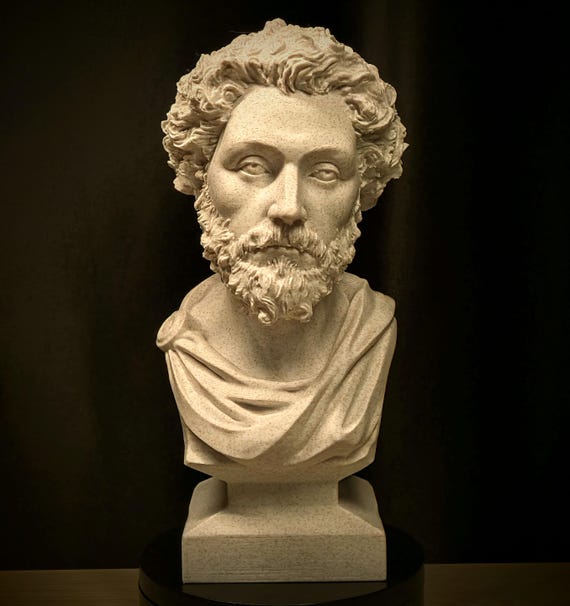


Stoicism, championed by Marcus Aurelius and Epictetus, teaches emotional resilience and rational self-control.
📜 Historical Development
Founded in Athens and popularized in Rome, Stoicism guided leaders and citizens through political instability.
🧠 Deep Concepts
- Dichotomy of control: Focus only on what you can control
- Amor fati: Love your fate
- Virtue ethics: Character over circumstance
Stoics view adversity as training for the soul.
⭐ Key Features
- Emotional discipline
- Practical ethics
- Acceptance of reality
- Mental toughness
💬 Quote
“You have power over your mind — not outside events.” — Marcus Aurelius
🧩 Example
Losing a job but focusing on improving skills rather than blaming fate.
✅ Daily Implementation
- Morning intention setting
- Evening reflection
- Negative visualization (preparing mentally)
- Practicing gratitude
🌸 Existentialism — Creating Meaning in an Absurd World




Existentialism, shaped by Jean-Paul Sartre and Albert Camus, argues that humans must create their own meaning.
📜 Historical Development
Emerging after world wars, existentialism addressed anxiety, freedom, and authenticity in a chaotic world.
🧠 Deep Concepts
- Existence precedes essence
- Radical freedom and responsibility
- Authentic self-creation
- Acceptance of absurdity
⭐ Key Features
- Individual autonomy
- Personal accountability
- Honest self-examination
💬 Quote
“Man is condemned to be free.” — Sartre
🧩 Example
Rejecting societal expectations to pursue meaningful work.
✅ Daily Implementation
- Define personal values
- Take ownership of choices
- Act authentically
- Embrace uncertainty
🌱 Confucianism — Ethics and Social Harmony


Confucianism, founded by Confucius, emphasizes moral character and harmonious relationships.
📜 Historical Development
Developed during social unrest in China, it promoted stability through ethical leadership and education.
🧠 Deep Concepts
- Ren: Benevolence and humanity
- Li: Proper conduct and rituals
- Xiao: Filial piety
- Moral cultivation through education
⭐ Key Features
- Respect and hierarchy
- Community responsibility
- Continuous learning
💬 Quote
“It does not matter how slowly you go as long as you do not stop.” — Confucius
🧩 Example
A leader acting ethically to inspire trust.
✅ Daily Implementation
- Show respect in relationships
- Commit to lifelong learning
- Practice kindness
- Maintain discipline
✨ Final Thoughts — Philosophy as a Practical Life System
Each philosophy offers a different lens:
- 🏛️ Western logic sharpens thinking
- ☯️ Taoism teaches flow
- 🧘 Buddhism cultivates awareness
- 🛡️ Stoicism builds resilience
- 🌸 Existentialism empowers freedom
- 🌱 Confucianism strengthens relationships
Together, they form a complete toolkit for modern living.
👉 Start by choosing one practice per philosophy and integrate it weekly. Over time, you’ll build a deeply grounded and intentional life.
“Knowing yourself is the beginning of all wisdom.” — Aristotle
© Lakhveer Singh Rajput - Blogs. All Rights Reserved.