
Happiness is the Key to Success
🌸 Success is Not the Key to Happiness — Happiness is the Key to Success 🔑✨
Why Joy Creates Achievement, and Why Good Intentions Give Life Its Meaning
“Success is not the key to happiness. Happiness is the key to success.” – Albert Schweitzer
For decades, society has taught us: 📈 Work hard → Earn money → Achieve status → Then be happy.
But what if we got it backward?
What if happiness is not the reward… but the fuel?
Let’s explore this powerful idea through 🌍 psychology, philosophy, stories, and timeless wisdom.
🌱 1. The Great Illusion: “I’ll Be Happy When…”
We often tell ourselves:
- “I’ll be happy when I get that job.”
- “I’ll be happy when I buy that house.”
- “I’ll be happy when people respect me.”
This mindset is called Conditional Happiness.
But here’s the psychological truth 👇
🧠 The Hedonic Treadmill (Psychology)
Researchers discovered that humans quickly return to a baseline level of happiness after success or failure. This is known as the hedonic adaptation effect.
📌 Promotion? Exciting for 3 months. 📌 New car? Thrilling for 2 weeks. 📌 Salary hike? Normal in 6 months.
We keep running, but the finish line keeps moving.
Success without inner happiness becomes an endless race.
🧘 2. Eastern Philosophy: Happiness First, Action Later
🕉️ Teachings of the Bhagavad Gita

In the Bhagavad Gita, Lord Krishna tells Arjuna:
“You have the right to perform your duty, but not to the fruits of your actions.”
This is powerful.
It teaches:
- Focus on meaningful action 🎯
- Detach from outcomes
- Find peace in effort
When you act with joy and purpose, success becomes a byproduct.
🏛️ 3. Stoicism: Control Your Inner World
Wisdom from Marcus Aurelius

The Roman emperor Marcus Aurelius wrote in Meditations:
“Very little is needed to make a happy life; it is all within yourself.”
Stoicism teaches:
- External success = unstable 🌪️
- Inner character = stable 🪨
If happiness depends on things outside your control, you will always suffer.
True success comes from:
- Discipline
- Virtue
- Emotional mastery
🔬 4. Modern Psychology: The Science of Happiness & Success
📊 The Harvard Happiness Study
The longest-running study on happiness (Harvard Adult Development Study) found:
👉 Strong relationships predict success and longevity more than money or fame.
Shawn Achor, a positive psychology researcher, discovered:
- Happy employees are 31% more productive
- 3x more creative
- Earn higher income
The formula changes:
Happiness → Productivity → Success
Not the other way around.
📖 5. Story: The Two Builders 🧱
Two men were laying bricks.
Someone asked the first: “What are you doing?”
He said: “I’m laying bricks.”
The second replied: “I’m building a cathedral.”
Same work. Different mindset.
The second man found meaning. Meaning created joy. Joy created excellence. Excellence created success.
🌊 6. Why Happiness Creates Success
Let’s break this down psychologically:
😊 1. Happiness Expands Thinking
Barbara Fredrickson’s Broaden-and-Build Theory shows that positive emotions:
- Increase creativity
- Improve problem-solving
- Build long-term resources
💪 2. Happiness Increases Energy
When you’re joyful:
- You persist longer
- You recover faster from failure
- You take healthier risks
🤝 3. Happiness Attracts People
People trust and collaborate with:
- Optimistic leaders
- Calm decision-makers
- Positive communicators
Success is social. Happiness makes you magnetic.
🎯 7. Why Meaning Comes Through Good Intention
Now the deeper question:
Why does life feel meaningful only when our intentions are good?
🧭 Intention Shapes Identity
When you act with:
- Greed ❌ → Anxiety
- Ego ❌ → Comparison
- Fear ❌ → Insecurity
But when you act with:
- Service ✅
- Growth ✅
- Contribution ✅
You align with your higher self.
🕊️ 8. Viktor Frankl: Meaning Over Success

Psychiatrist Viktor Frankl, author of Man’s Search for Meaning, survived concentration camps.
He observed:
Those who had a WHY to live could bear almost any HOW.
He concluded:
Meaning is found in:
- Love ❤️
- Work with purpose 🎯
- Courage during suffering 🛡️
Not in wealth.
🌳 9. The Japanese Concept of Ikigai
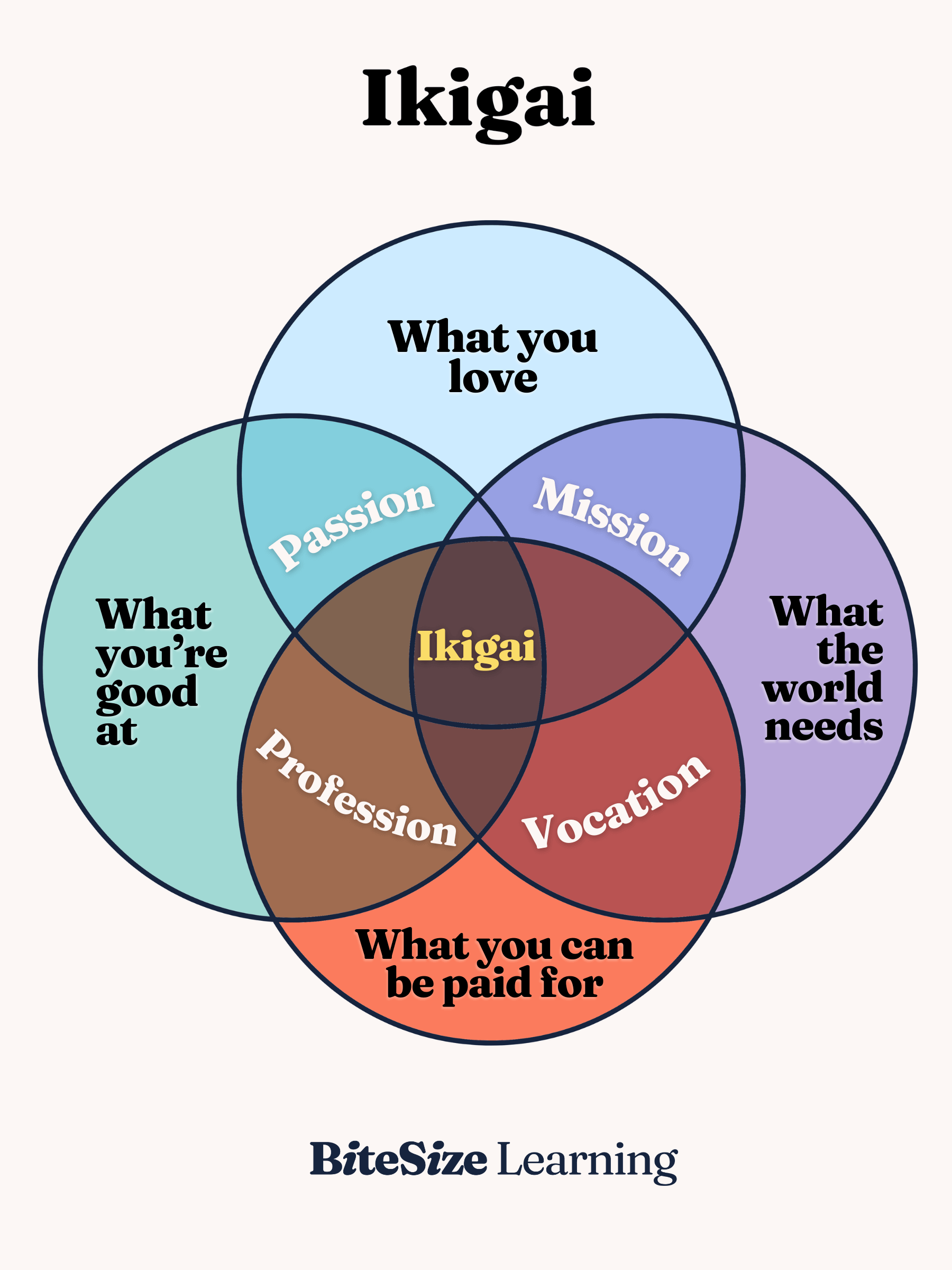
The Japanese idea of Ikigai suggests happiness comes from:
- What you love ❤️
- What you are good at 🎯
- What the world needs 🌍
- What you can be paid for 💰
Notice something?
Money is only one circle — not the center.
🔥 10. A Practical Formula for Life
Here’s a new equation for success:
🌼 Joy + Growth + Contribution = True Success
When your intentions are good:
- You sleep peacefully 😴
- You work passionately 🔥
- You connect deeply 🤝
- You live meaningfully 🌿
Success becomes a natural result.
🛠️ Daily Ritual to Reverse the Formula
Instead of chasing success, build happiness daily:
🌅 Morning
- 5 minutes gratitude
- Set one meaningful intention
💼 Work
- Focus on progress, not perfection
- Help one person
🌙 Night
- Reflect: Did my actions align with my values?
- Journal one lesson
Consistency creates character. Character creates success.
🌍 Final Wisdom from Around the World
- 🧘 Buddhism: Desire causes suffering.
- 🏛️ Stoicism: Control your mind, not events.
- 🕉️ Gita: Act without attachment.
- 🧠 Psychology: Positive emotion drives performance.
All roads point to one truth:
Success is a shadow. Happiness is the light. ☀️
Chase the light.
💎 Final Thought
If you build success without happiness, you build a palace with no peace.
If you build happiness first, success will knock on your door.
So today, ask yourself:
👉 Am I chasing success to feel happy? 👉 Or am I cultivating happiness to create success?
Choose wisely.
Because happiness is not the destination — it is the foundation. 🌸✨
© Lakhveer Singh Rajput - Blogs. All Rights Reserved.