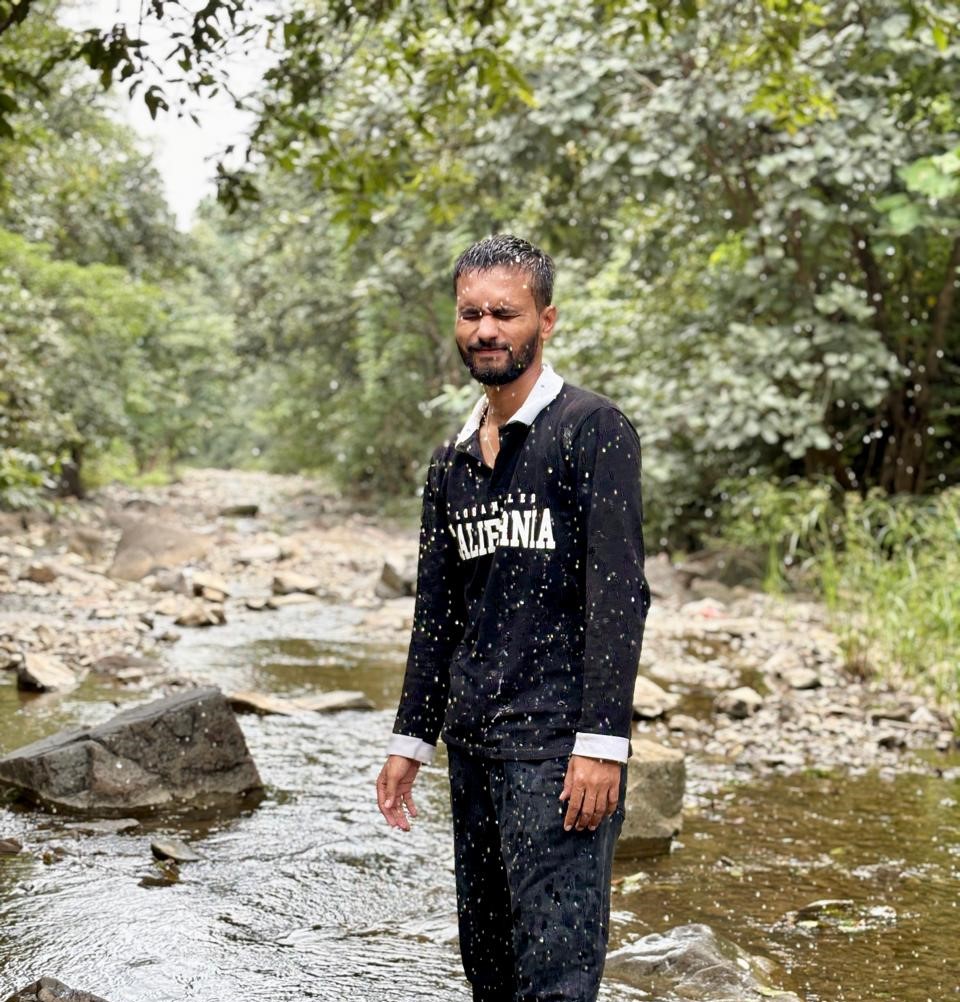
Discipline Over Motivation
🧠🔥 Discipline Over Motivation: The Psychological Guide to Stay Consistent Even When You Don’t Feel Like It
“Successful people aren’t more motivated. They simply become more disciplined than their emotions.”
Every person dreams of becoming successful, fit, financially independent, or an expert in their field. Yet most people fail—not because they lack intelligence or talent—but because they rely on motivation instead of discipline.
Motivation is temporary. Discipline is permanent.
This guide dives deep into psychology, neuroscience, behavioral science, and practical systems to help you understand why you procrastinate, why laziness exists, and how you can achieve your goals consistently—even on your worst days.
🚀 The Biggest Myth: “I Need Motivation to Start”
Imagine driving a car.
Motivation is like fuel. Discipline is like the engine.
Fuel eventually runs out.
A strong engine keeps moving regardless.
Highly successful athletes, entrepreneurs, scientists, writers, and soldiers don’t wake up motivated every morning.
They simply follow systems.
James Clear, author of Atomic Habits, summarizes this perfectly:
“You do not rise to the level of your goals. You fall to the level of your systems.”
🧠 The Psychology Behind Laziness
Here’s the surprising truth:
Your brain isn’t lazy.
It’s designed for survival.
Thousands of years ago humans survived by conserving energy.
Running unnecessarily meant burning calories.
Your brain still follows this ancient programming.
Whenever you think about doing difficult work, your brain asks:
- Is this dangerous?
- Is this worth the energy?
- Can I postpone it?
If the answer is uncertain…
It chooses comfort.
This is why scrolling Instagram feels easier than reading a technical book.
🧬 The Brain’s Reward System
Your brain runs on dopamine.
Contrary to popular belief…
Dopamine isn’t the “pleasure chemical.”
It’s the anticipation chemical.
Whenever your brain predicts an immediate reward…
Dopamine rises.
Examples:
🎮 Games
🍕 Junk food
🎥 Netflix
These provide instant dopamine.
But activities like:
- Studying
- Coding
- Exercising
- Learning AI
- Reading books
offer delayed rewards.
Your brain naturally prefers immediate gratification.
⚖️ Present Bias: Why Tomorrow Always Looks Better
Humans overvalue immediate rewards.
Example:
Today:
“I’ll study tomorrow.”
Tomorrow:
“I’ll start Monday.”
Monday:
“Next month.”
This is called Present Bias.
Your brain discounts future benefits.
The solution?
Reduce the gap between effort and reward.
Example:
Instead of:
“I’ll become fit in one year.”
Tell yourself:
“I’ll complete one workout today.”
😴 Ego Depletion (Mental Fatigue)
Every decision consumes mental energy.
Morning:
- Should I exercise?
- What should I eat?
- Which task first?
Eventually…
Decision fatigue appears.
This is why disciplined people remove unnecessary decisions.
Examples:
Steve Jobs wore similar clothes daily.
Athletes prepare meals in advance.
Successful programmers maintain routines.
Less decision-making.
More execution.
🧩 The Zeigarnik Effect
Your brain hates unfinished tasks.
That’s why unfinished work stays in your mind.
Instead of trying to complete everything…
Simply start.
Write one sentence.
Read one page.
Code for two minutes.
Once started…
Your brain naturally wants completion.
🔥 The 5-Minute Rule
One of the strongest psychological tricks.
Tell yourself:
“I’ll only do this for 5 minutes.”
Usually…
Five minutes become thirty.
Starting is harder than continuing.
🎯 Identity Psychology
Most people say:
“I want to lose weight.”
Instead say:
“I am a healthy person.”
Not:
“I want to code.”
Instead:
“I am a software engineer.”
Identity changes behavior.
Behavior reinforces identity.
Identity becomes permanent.
🧠 Habit Loop (Charles Duhigg)
Every habit follows this cycle:
Cue
 ↓
Routine
 ↓
Reward
Example:
Notification
↓
Open Instagram
↓
Dopamine
To build productive habits:
Morning alarm
↓
Workout
↓
Protein shake + satisfaction
Repeat long enough…
The brain automates it.
⚡ Why Motivation Disappears
Motivation depends on:
- Mood
- Sleep
- Stress
- Energy
- Weather
- Hormones
Discipline depends on:
- Systems
- Schedule
- Identity
- Environment
Never rely on emotions.
Build routines.
🎮 Environment Beats Willpower
Willpower is limited.
Environment works automatically.
Examples:
❌ Phone beside bed
You’ll scroll.
✅ Phone in another room
You’ll sleep.
❌ Chocolate on desk
You’ll eat it.
✅ Fruits visible
You’ll choose healthier food.
Your surroundings shape your behavior more than your intentions.
🧠 Parkinson’s Law
Work expands to fill the available time.
Example:
Assignment due in 7 days.
You’ll likely finish it on Day 7.
Instead:
Set artificial deadlines.
Example:
Finish by Day 3.
⚔️ Action Creates Motivation (Not the Other Way Around)
Most people believe:
Motivation
↓

Action
↓

Results
Reality:
Action
↓

Small Win
↓

Dopamine
↓

Motivation
↓

More Action
Action comes first.
Always.
💪 The Compound Effect
Tiny actions create extraordinary results.
Reading:
10 pages/day
=
3,650 pages/year
≈ 12–15 books.
Coding:
1 hour/day
=
365 hours/year
Imagine your skill after 365 focused hours.
Consistency beats intensity.
🔥 The 1% Rule
Improve just 1% daily.
After one year:
1.01^365 ≈ 37× improvement
Small improvements compound into remarkable transformation.
🛡️ How to Beat Procrastination
✅ Break tasks into micro-actions
Instead of:
“Write a blog.”
Write:
- Open laptop
- Create document
- Write title
- First paragraph
Tiny steps reduce resistance.
✅ Remove friction
Want to exercise?
Keep gym clothes ready.
Want to study?
Open the book beforehand.
Want to code?
Keep your IDE open.
Reduce the number of steps between intention and action.
✅ Time Blocking
Assign dedicated time slots:
☀️ Morning
Deep work
📧 Afternoon
Meetings
🌙 Evening
Learning
Avoid multitasking.
✅ Habit Stacking
Attach new habits to existing ones.
Example:
After brushing
↓
Meditate
After lunch
↓
Read 10 pages
After gym
↓
Study AI for 30 minutes
✅ Reward Yourself
Your brain loves rewards.
Examples:
Complete work
↓
Coffee
Finish workout
↓
Favorite podcast
Small rewards reinforce good behavior.
📵 Dopamine Detox
Your brain adapts to constant stimulation.
Reduce:
- Endless scrolling
- Short videos
- Excessive gaming
- Frequent notifications
Replace them with:
📚 Reading
🏃 Walking
🧘 Meditation
✍️ Journaling
Initially, these may feel boring—but as your dopamine baseline resets, focus and enjoyment improve.
😌 Self-Compassion Over Self-Criticism
Missing one day doesn’t mean you’ve failed.
Avoid all-or-nothing thinking.
Instead:
❌ “I missed one workout, so I’ll quit.”
✅ “I missed one workout. I’ll continue tomorrow.”
The goal is consistency, not perfection.
📅 The Daily Discipline System
Use this every day to build momentum.
| Habit | Target | ✅ |
|---|---|---|
| Wake up on time | 6:00 AM | |
| Drink water | 2–3 L | |
| Exercise | 45–60 min | |
| Deep Work | 2–4 hrs | |
| Learn something new | 30–60 min | |
| Read | 20 pages | |
| Journal | 10 min | |
| Family / Relationships | 30 min | |
| Sleep before | 10:30 PM |
📈 Daily Performance Score
Rate yourself each evening:
| Category | Score (0–10) |
|---|---|
| Discipline | |
| Focus | |
| Productivity | |
| Energy | |
| Health | |
| Learning | |
| Happiness |
Total Score = /70
Track your score daily to identify trends and improve over time.
🗓️ Weekly Reflection
Every Sunday, ask yourself:
- ✅ What did I accomplish?
- ❌ What distracted me?
- 📚 What did I learn?
- 🚀 What will I improve next week?
- 💡 Which habit had the biggest positive impact?
- ⚠️ Which obstacle kept repeating?
🎯 The Discipline Pyramid
Purpose
     ▲
Identity
     ▲
Habits
     ▲
Systems
     ▲
Daily Actions
When daily actions align with your purpose, discipline becomes a natural outcome.
🌟 The 30-Day Discipline Challenge
Commit to these simple rules:
- 🌅 Wake up at the same time every day.
- 📵 No phone for the first 30 minutes after waking.
- 🧠 Complete your most important task before checking social media.
- 📚 Read at least 20 pages daily.
- 💪 Exercise for 45 minutes.
- 💧 Stay hydrated.
- ✍️ Write one thing you’re grateful for each day.
- 📝 Track your daily score.
- 🌙 Sleep at a consistent time.
- ❌ Never miss the same habit twice in a row.
💬 Final Thoughts
Discipline isn’t about forcing yourself every day. It’s about creating systems that make the right action easier than the wrong one. Motivation will fluctuate with your mood, sleep, stress, and environment. Discipline grows when you repeatedly show up, even in small ways, until your habits become part of your identity.
The people we admire aren’t consistently motivated—they’re consistently committed. Start with one small action today, protect it tomorrow, and let time multiply your efforts. Your future is shaped less by bursts of inspiration and more by the ordinary choices you make every single day.
© Lakhveer Singh Rajput - Blogs. All Rights Reserved.